
Software
Microsoft SQL Server Management Studio (SSMS) remains the go-to tool for database administrators and developers. This guide compares 10 key versions, highlighting their unique features, compatibility changes, and which edition best fits your workflow—whether you're managing cloud databases or legacy systems.
SQL Server Management Studio 18.12 for Azure
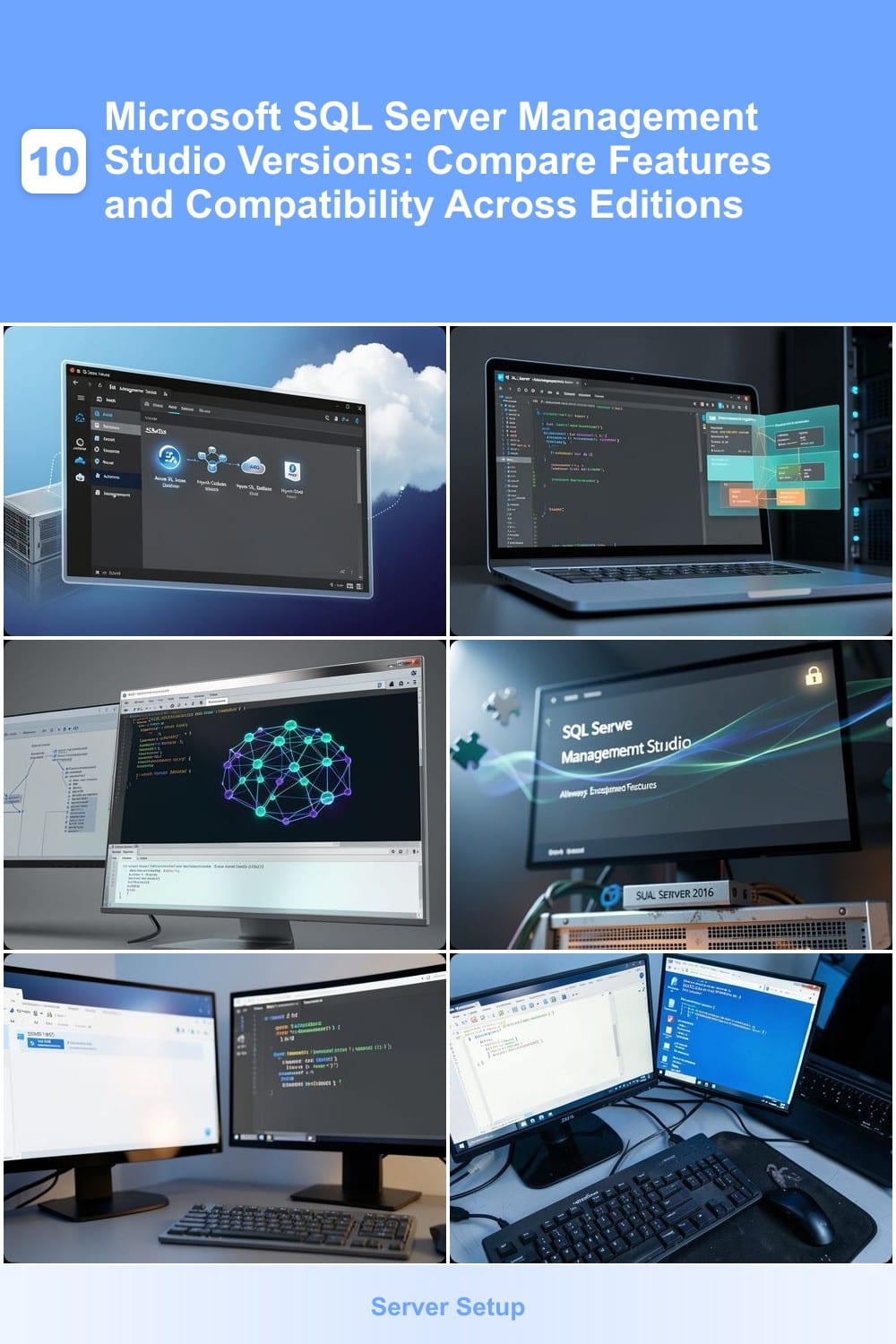
If you're managing Azure SQL Database or hybrid environments, SSMS 18.12 is the version designed for you. Built with cloud-native features, it bridges on-premises and Azure deployments seamlessly, eliminating the need for separate tools.
Key highlights include Azure Active Directory (AAD) integration, allowing single-sign-on and role-based access control for Azure SQL resources. The version also introduces enhanced security compliance with Azure Policy integration and improved query performance for Azure SQL Managed Instances. For hybrid setups, you’ll appreciate the zero-configuration connectivity between local databases and Azure services, reducing manual setup time.
This version is ideal for cloud-first teams or organizations transitioning to Azure while maintaining on-premises SQL Server workloads. It’s the future-proof choice for hybrid database management. ⚡
SQL Server Management Studio 18.9 for On-Premises

If you're still running SQL Server 2019 on-premises, SSMS 18.9 is the last standalone version before Microsoft fully shifted focus to Azure tools. Unlike its cloud-optimized successor, this release packs enhanced T-SQL debugging and query performance tweaks specifically for local environments.
The IntelliSense improvements now include deeper execution plan analysis with real-time cost estimates, while the debugger supports breakpoints in stored procedures and triggers. For admins managing SQL Server 2019, this version also adds compatibility mode to avoid upgrade headaches—critical for legacy systems still running critical workloads.
Perfect for on-premises DBAs who need zero-config Azure dependencies but want modern debugging tools. The SQL Server 2019-specific optimizations make it a must-try before migrating to cloud-native solutions. ✨
SQL Server Management Studio 18.6 for SQL Server 2017

If you're running SQL Server 2017 and need to modernize your data pipelines without breaking compatibility, SSMS 18.6 is your bridge to the future. This version introduces Graph Table support, letting you visualize relationships between data points directly in your queries—ideal for social networks, fraud detection, or hierarchical data structures.
The JSON query improvements make it easier to parse and manipulate semi-structured data, while maintaining full backward compatibility with SQL Server 2017. You’ll also find enhanced IntelliSense for JSON paths and better support for JSON functions like JSONMODIFY() and JSONQUERY(). The lightweight update won’t disrupt existing workflows but opens doors to modern data handling. ⚡
This version is perfect for developers and DBAs working with relational data that needs to integrate with NoSQL-like structures. It’s especially valuable for teams transitioning from older systems while keeping their existing SQL Server 2017 infrastructure intact. 💻
SQL Server Management Studio 18.4 for SQL Server 2016
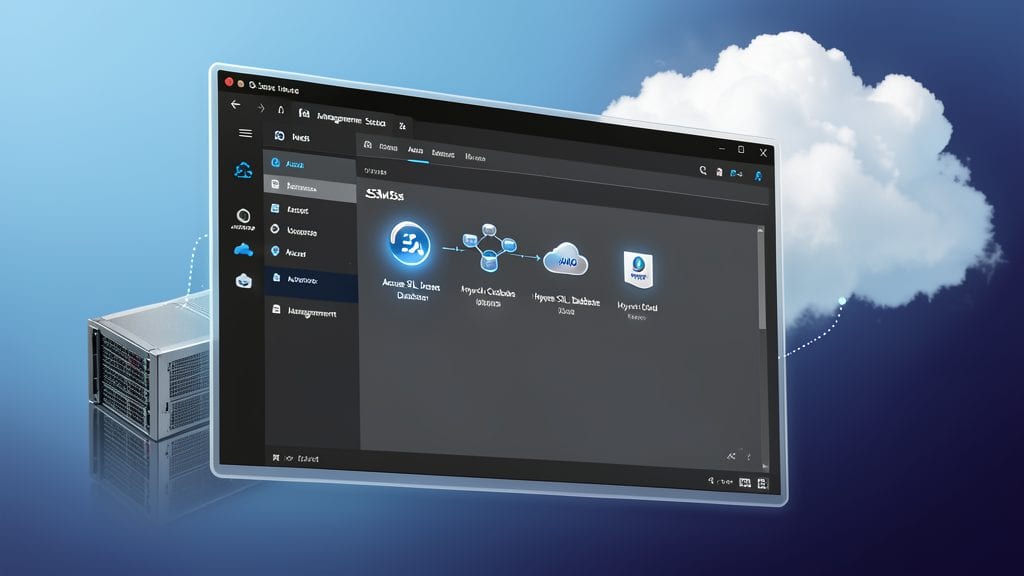
If your enterprise is still running SQL Server 2016 but needs modern security and big data capabilities without a full infrastructure overhaul, SSMS 18.4 is your bridge to the future. This version introduces refined Always Encrypted features, letting you encrypt sensitive data at rest and in transit without application changes—critical for compliance-heavy industries like finance or healthcare.
The real game-changer here is PolyBase enhancements, which let you query external data sources (like Azure Blob Storage or Hadoop) directly from SQL Server 2016 using familiar T-SQL. No need to migrate your entire stack—just extend your existing environment with zero config for hybrid cloud scenarios. The improved query editor also includes better IntelliSense for JSON and XML handling, smoothing out modern data workflows.
Perfect for mid-sized enterprises or legacy systems needing gradual modernization, SSMS 18.4 balances backward compatibility with forward-looking features. 💪
SQL Server Management Studio 18.0 for SQL Server 2014
Stuck on SQL Server 2014 but eager to explore modern tools? SSMS 18.0 bridges the gap with PowerShell integration and basic Azure SQL Database compatibility, letting you test hybrid cloud workflows without upgrading your entire infrastructure.
This version introduces PowerShell scripting directly in the interface, streamlining automation tasks while maintaining full SQL Server 2014 compatibility. The Azure SQL Database connection preview lets you experiment with cloud migrations—ideal for planning gradual transitions. Lightweight and focused, it avoids clutter found in newer versions.
Perfect for small businesses or legacy systems where full upgrades aren’t feasible yet. Test hybrid scenarios risk-free before committing to a full migration. ✨
SQL Server Management Studio 17.9 for SQL Server 2012
If you're maintaining a SQL Server 2012 environment, SSMS 17.9 is your last official lifeline—Microsoft stopped updating it, but it remains the gold standard for legacy system support. This version bridges the gap between outdated hardware and modern development practices, making it indispensable for incremental modernization efforts.
The real game-changer here is SSDT (SQL Server Data Tools) integration, which lets you manage database projects like a pro—source control, schema comparisons, and deployment pipelines all in one tool. It also includes enhanced query performance insights and database diagram tools that make troubleshooting legacy schemas far more intuitive than older versions.
Perfect for DBA teams stuck with SQL Server 2012 or planning phased upgrades, this version keeps your workflows intact while preparing for future migrations. 💻
SQL Server Management Studio 17.8 for SQL Server 2008 R2
Keeping a SQL Server 2008 R2 environment running smoothly doesn’t mean you’re stuck with outdated tools—SSMS 17.8 bridges the gap with critical extended support features. This version introduces basic AlwaysOn Availability Groups support, letting you implement high availability without upgrading your entire infrastructure.
You also get limited Power View integration, enabling basic data visualization for legacy reports while maintaining compatibility with SQL Server 2008 R2’s constraints. The lightweight update ensures you can manage critical business systems without disrupting operations or risking compatibility issues.
Perfect for IT teams maintaining end-of-life systems or preparing for gradual migrations, SSMS 17.8 provides just enough modern functionality to keep legacy databases operational. 💪
SQL Server Management Studio 2016 for SQL Server 2012

If you're still running SQL Server 2012 but need modern temporal database features, SQL Server Management Studio 2016 is your bridge to the future. Unlike earlier versions, it introduces temporal table support, letting you track data changes over time without complex triggers.
The query store feature provides basic performance monitoring, while SSIS (Integration Services) performance improvements make pipeline debugging smoother. This version also includes enhanced security settings and compatibility with SQL Server 2012's legacy features, ensuring your workflow stays intact while gaining critical tools.
Perfect for legacy system administrators who need to modernize without full upgrades, or data analysts tracking historical trends in SQL Server 2012 environments. ✨
SQL Server Management Studio 2014 for SQL Server 2008
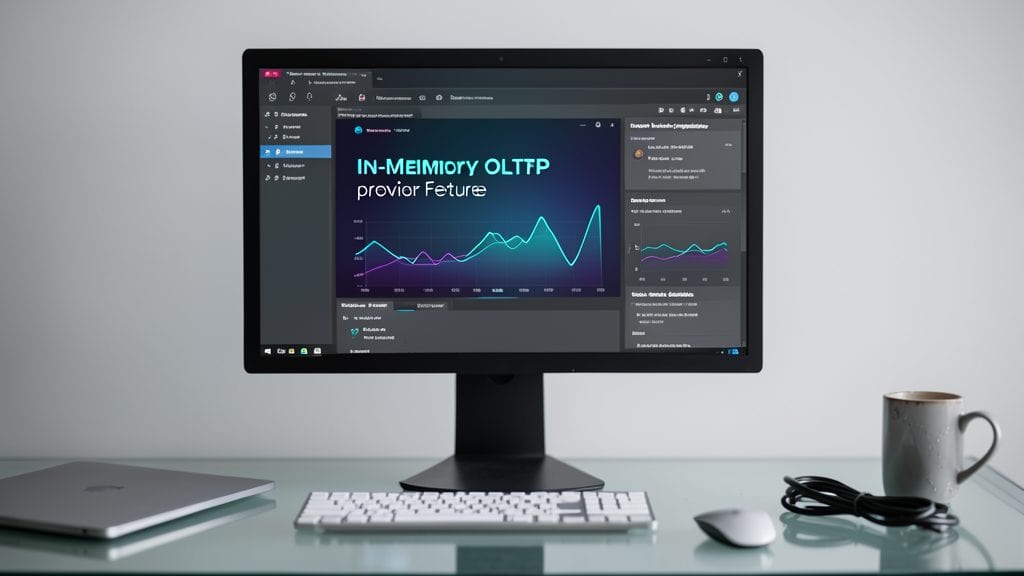
If you're running SQL Server 2008 and need to test-drive future-proof performance features without upgrading hardware, SQL Server Management Studio 2014 is your bridge. This version introduces In-Memory OLTP preview—a game-changer for transaction-heavy workloads—alongside basic stretch database capabilities, letting you offload cold data to Azure for cost savings.
The In-Memory OLTP feature (later finalized in SQL Server 2016) lets you test memory-optimized tables and natively compiled stored procedures on your legacy system, delivering near-instant query speeds for critical operations. Meanwhile, stretch database lets you automatically tier data between on-premises and cloud storage, reducing storage costs while keeping hot data local. It’s the perfect sandbox for evaluating modern SQL Server features before full migration.
This version is ideal for IT teams maintaining SQL Server 2008 environments, especially those preparing for upgrades or evaluating hybrid cloud strategies. It’s also a lifeline for developers who need to experiment with future SQL Server capabilities without risking production systems. ✨
SQL Server Management Studio 2012 for SQL Server 2005

If you're still running SQL Server 2005—yes, it’s that old—SQL Server Management Studio 2012 is your last lifeline. Released as part of the SQL Server 2012 toolset, this version was specifically designed to bridge the gap for end-of-life systems, offering just enough modern features to ease the pain of maintenance.
Key upgrades include basic PowerShell cmdlet support, letting you automate repetitive tasks without full script rewrites, and limited AlwaysOn Availability Groups—a critical feature for high-availability setups that SQL Server 2005 lacked entirely. The interface remains familiar, avoiding the steep learning curve of newer versions while adding SQL Server 2005 compatibility mode to prevent breaking changes. It’s not flashy, but it’s exactly what you need to keep legacy systems running smoothly.
This version is a must-have for IT admins maintaining SQL Server 2005 in regulated industries or small businesses stuck with outdated hardware. It’s also the perfect stepping stone for gradual upgrades, letting you test newer features before committing to a full migration. 💪